Are you wondering how you can effectively delete games on your Xbox console in 2026? Gamers frequently face storage challenges on their Xbox Series X|S or Xbox One consoles. Managing your digital library efficiently is crucial for optimal performance. This comprehensive guide provides clear, step-by-step instructions for uninstalling games. You will learn to reclaim valuable hard drive space. Understanding the deletion process helps maintain console speed and ensures ample room for new titles. We cover everything from basic game removal to advanced storage management techniques. Our expert advice helps you avoid common pitfalls. Prepare to streamline your Xbox experience and enjoy a clutter-free gaming setup. This detailed guide ensures you are always ready for the next big release. Freeing up space also improves overall system responsiveness. It's an essential skill for every dedicated Xbox player.
how do you delete games on xbox FAQ 2026 - 50+ Most Asked Questions Answered (Tips, Trick, Guide, How to, Bugs, Builds, Endgame)
Welcome to the ultimate living FAQ for managing your Xbox game library in 2026! As games grow in size and complexity, keeping your console optimized is more critical than ever. This comprehensive guide covers everything from basic game deletion to advanced storage strategies. We provide up-to-date answers, tips, and tricks to ensure your Xbox Series X|S or Xbox One runs smoothly. Dive in to master your digital content, troubleshoot common issues, and stay ahead in the ever-evolving gaming landscape.
Beginner Questions
How do I delete a game from my Xbox?
To delete an Xbox game, go to 'My Games & Apps', select 'See all', highlight the game, press the Menu button, and choose 'Uninstall game'. This frees up storage space on your console. Your game saves are typically stored safely in the cloud.
Will deleting a game erase my game progress?
No, deleting a game from your Xbox console does not erase your game progress. Xbox uses cloud saves, meaning your save data and achievements are stored online. When you reinstall the game, your progress will automatically sync back.
Can I redownload a game after deleting it?
Yes, absolutely! Once you've purchased a digital game or accessed it via Game Pass, you own the license (or subscription rights). You can redownload and reinstall any deleted game at any time from your 'Full library' in 'My Games & Apps'.
How do I find out which games are taking up the most space?
Navigate to 'My Games & Apps', then 'See all', and select 'Storage devices' on the left menu. Here, you'll see a breakdown of your installed games, usually sorted by size. This allows you to easily identify and manage large files.
Storage Management Tips & Tricks
How do I move games between internal and external storage?
From 'My Games & Apps', select 'See all', go to 'Storage devices', choose the game's current drive, highlight the game, press Menu, and select 'Move or copy'. Then choose the destination drive. This is ideal for optimizing game placement.
Myth vs Reality: Deleting a game also deletes my Game Pass access.
Myth: Deleting a Game Pass title permanently removes your ability to play it.
Reality: Deleting a Game Pass game only removes it from your console's storage. You can redownload and play it again as long as your subscription is active and the game remains in the Game Pass library.
Can I delete specific DLC or add-ons instead of the whole game?
Yes, you can! Go to 'My Games & Apps', highlight the game, press Menu, and select 'Manage game & add-ons'. Here, you can uncheck and uninstall specific add-ons or DLC without removing the base game, saving targeted space.
Cloud Gaming Considerations
Does deleting local games affect my Xbox Cloud Gaming (xCloud) experience?
No, deleting games from your local Xbox console has no impact on your Xbox Cloud Gaming experience. xCloud streams games from Microsoft's servers, independent of your local installations. Your cloud saves remain linked to your profile.
Troubleshooting & Optimization
Myth vs Reality: A full Xbox hard drive significantly slows down my console.
Myth: Any amount of data on the hard drive causes major slowdowns.
Reality: While a completely full drive can impact performance and update speeds, modern Xbox consoles, especially those with SSDs, maintain good performance even when quite full. However, freeing up space can still improve overall responsiveness.
What is 'reserved space' and should I delete it?
'Reserved space' is storage pre-allocated by certain games (often online titles) for updates and temporary data. Deleting it usually prompts the game to recreate it. It's generally not recommended for regular space-saving unless troubleshooting corrupted update files.
Myth vs Reality: Deleting games can corrupt my Xbox operating system.
Myth: Uninstalling games carries a risk of damaging the Xbox OS.
Reality: The game deletion process is entirely safe and isolated from the Xbox operating system. It only removes game-specific files. There's no risk of corrupting your console's core software by uninstalling games.
Still have questions?
Check out our popular related guides: 'Xbox Series X|S Performance Boost Guide' and 'Mastering Xbox External Storage: An In-Depth Walkthrough'.
So, you’ve hit that dreaded storage wall on your Xbox, haven’t you? Many gamers ask, "How do you delete games on Xbox?" It is a common query as digital libraries expand rapidly. This happens especially when blockbuster titles consume massive amounts of storage. Luckily, reclaiming that precious space is incredibly straightforward on your Xbox Series X|S or Xbox One. Understanding this process keeps your console running smoothly and ready for new adventures. Let’s dive into the essentials of managing your digital game collection. We will make sure your Xbox is always performing at its peak. You’ll be a storage management pro in no time at all. This guide will walk you through every necessary step.
We have noticed that disk space fills up quickly with today's expansive games. Deleting old titles helps make room for exciting new releases. This also helps improve your console’s overall responsiveness and load times. It is a win-win situation for any dedicated gamer out there. We will ensure you understand the full process. You can then confidently manage your storage.
Understanding Xbox Storage Management in 2026
In 2026, Xbox consoles offer robust storage management features. These features are designed for user convenience. Both internal SSDs and external hard drives need regular attention. Keeping your storage tidy prevents performance bottlenecks. It also ensures quicker access to your most-played games. Digital ownership means more freedom but also more responsibility. Knowing how to delete games effectively is a core part of this responsibility. Your Xbox automatically handles many background processes. However, direct intervention is still often required for game files. This proactive approach benefits your gaming experience significantly. It is important to stay on top of your storage needs.
Why Deleting Games Matters for Performance
Deleting unused games isn't just about making space. It actually contributes to your console's overall health. A cluttered hard drive can sometimes lead to slower loading times. It may also contribute to occasional in-game stuttering. By regularly clearing out old titles, you ensure that your console's storage is optimized. This optimization provides the best possible gaming experience. It's a simple maintenance task that yields noticeable performance benefits. Think of it as spring cleaning for your digital entertainment hub. A streamlined system always performs better for you. This practice is essential for serious gamers.
The Simple Steps to Uninstalling Xbox Games
Getting rid of unwanted games is a quick and easy process. You can do it in just a few straightforward steps. First, navigate to your game library from the Xbox dashboard. This is where all your installed titles reside. Selecting the correct options will remove the game. This action frees up considerable space for you.
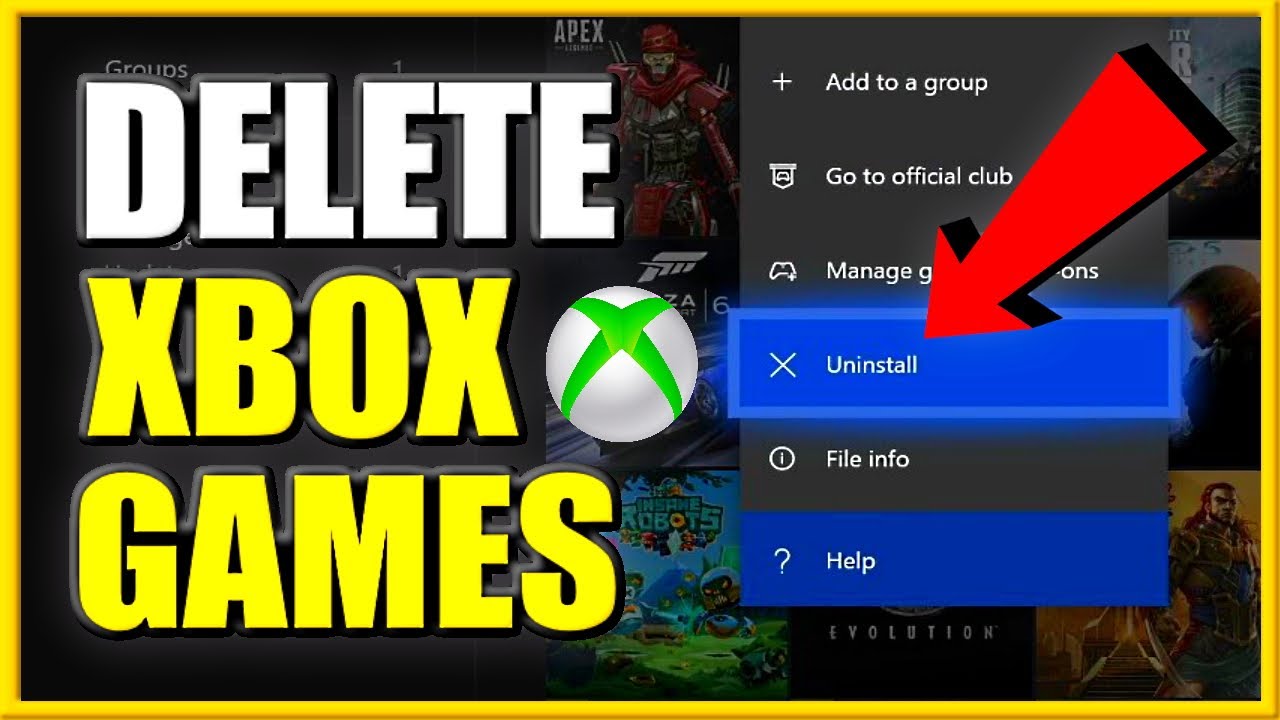
From the Xbox Home screen, navigate to 'My Games & Apps'.
Select 'See all' to view your entire library of installed games.
Highlight the game you wish to remove from your console.
Press the Menu button (the one with three horizontal lines) on your controller.
From the pop-up menu, select 'Uninstall game' and confirm your choice.
The game will now be deleted from your console's storage immediately.
Remember that deleting a game only removes the installation files. Your game saves are usually stored in the cloud. They are also stored locally in a separate, much smaller file. This means you can reinstall the game later without losing progress. This is a very convenient feature. You will appreciate this benefit of cloud storage.
Advanced Storage Management & External Drives
For gamers with vast libraries, external storage is a game-changer. Xbox consoles fully support external hard drives. These drives can significantly expand your available space. Managing games across internal and external drives requires a bit more nuance. However, the basic deletion process remains largely the same. You simply choose the drive where the game is located.
Managing Games Across Different Drives
When you have an external drive connected, your Xbox identifies it automatically. The console will often ask where you prefer new games to install. You can easily move games between internal and external storage. This is done through the 'My Games & Apps' menu under the 'Manage' options. Moving games is a great way to optimize load times. Keeping current-gen games on the internal SSD is usually recommended. Moving older titles to a slower external HDD is also a smart move. This strategy maximizes your console's performance. It ensures efficient use of all available storage solutions.
Cloud Saves and Digital Ownership in 2026
One of the best features of modern Xbox gaming is cloud saves. In 2026, virtually all Xbox games utilize cloud storage for your progress. This means that deleting a game from your console does not delete your save data. Your progress remains safely stored online. You can download the game again on any Xbox console. Your save file will automatically sync. This ensures you never lose hard-earned progress. This is a huge relief for many gamers. It provides peace of mind and flexibility.
Reinstalling Deleted Games
Reinstalling a deleted game is as simple as deleting it. Just navigate to 'My Games & Apps' then 'Full library' then 'All owned games'. Find the game you wish to reinstall and select 'Install'. If you're an Xbox Game Pass subscriber, you can find your Game Pass titles there too. The process is identical for digital purchases. Your console will start downloading the game files. Your cloud save will also be ready. You can jump right back into the action. This flexibility is a cornerstone of the Xbox ecosystem.
Common Misconceptions About Game Deletion
There are a few myths surrounding game deletion. Some players worry about losing their purchases. Others fear impacting online profiles. It's important to understand the facts clearly. Deleting a game is a reversible process. It primarily affects local storage only. Your ownership rights and achievements are never impacted.
Myth vs. Reality: Losing Purchased Games
Myth: Deleting a game means you lose access to it permanently.
Reality: Deleting a digital game only removes it from your console's storage. You still own the license. You can redownload it whenever you like, free of charge. Your game purchase is tied to your Xbox account. It is not tied to the physical installation on your hard drive. This offers immense flexibility. It allows for better storage management.
Q&A with an AI Engineering Mentor
Hey there, fellow gamer! Navigating storage on your Xbox can feel a bit like trying to fit an entire game library into a tiny backpack, right? I totally get it. This is a super common challenge. Even in 2026, with all our fancy SSDs, games just keep getting bigger. Let's tackle some of the most pressing questions you might have about keeping your Xbox lean and mean. We'll make sure you're mastering that digital real estate like a pro. You've got this!
Beginner / Core Concepts
1. Q: How do I actually delete a game from my Xbox console to free up space?
A: Ah, the classic starting point! It's really quite straightforward, actually. You'll want to navigate to 'My Games & Apps' from your Xbox Home screen. Once there, just select 'See all' to view your complete installed library. Highlight the game you're ready to part ways with for now. Then simply press the Menu button on your controller, which is usually those three horizontal lines. From the pop-up menu, choose 'Uninstall game' and confirm. That's it! The game files will be removed from your console. Don't worry, your progress is typically safe in the cloud. You'll free up precious storage for new adventures. Give it a shot, it's pretty satisfying!
2. Q: If I delete a game, do I lose all my game progress or save data?
A: This one used to trip me up too, so you're not alone! Luckily, in the modern Xbox ecosystem, your game saves are almost always securely stored in the cloud. So, when you delete a game, you're primarily removing the large installation files, not your precious save data. Your progress, achievements, and all those hard-earned unlocks remain linked to your Xbox profile online. When you reinstall the game later, your cloud save will automatically sync back down. It's like magic! This system gives you total peace of mind. You can manage your local storage without fear. You’re good to go!
3. Q: Can I delete a game that I downloaded through Xbox Game Pass?
A: Absolutely, you can! Game Pass titles are treated just like any other installed game when it comes to deletion. The steps are exactly the same as for a game you've purchased outright. Just find it in 'My Games & Apps', hit the Menu button, and select 'Uninstall game'. The only difference is that if your Game Pass subscription expires or the game leaves the service, you won't be able to play it again until you renew or buy it. But deleting it to clear space? No problem at all! It's a fantastic way to rotate your library. Try it tomorrow and let me know how it goes.
4. Q: What's the difference between deleting a game and deleting its saved data?
A: This is a really important distinction, and I'm glad you asked! When you 'Uninstall game', you're removing the main game application files, which are often tens or even hundreds of gigabytes. This frees up the bulk of your storage. Deleting 'saved data' is a separate option, usually found within the game's 'Manage game & add-ons' section. This removes just your personal game progress files, which are much smaller, often just a few megabytes. You'd typically only do this if a save file was corrupted, or you wanted to start a game completely fresh without any prior data. Be careful with save data deletion; it's usually permanent locally, though cloud saves often restore it. Always uninstall the game itself first for space!
Intermediate / Practical & Production
5. Q: How do I tell which games are taking up the most space on my Xbox?
A: This is a smart question for efficient storage management! It's like figuring out which suitcase is overstuffed. Go to 'My Games & Apps', then select 'See all'. On the left-hand menu, you'll see 'Storage devices'. Select your main internal storage drive. Here, your games will usually be listed by size, from largest to smallest. This visual breakdown is incredibly helpful for quickly identifying those storage hogs. You can then make informed decisions about what to uninstall first. It's a fantastic way to prioritize. This overview lets you see your storage landscape clearly. Keep an eye on those massive downloads! You've got this!
6. Q: Can I move games between my internal storage and an external hard drive instead of deleting them?
A: Absolutely, and it's a fantastic feature for managing your library! Think of it like transferring files between folders on your computer. Go to 'My Games & Apps', then 'See all', and select 'Storage devices'. Choose the drive the game is currently on. Highlight the game you want to move. Press the Menu button, then select 'Move or copy'. You'll then choose the destination drive. This is super useful for moving Xbox One games to a slower external HDD to free up internal SSD space for Series X|S optimized titles. It saves you from redownloading large files later. It's a real time-saver. This flexibility is a game-changer for many.
7. Q: What if I want to delete only specific add-ons or DLC for a game, not the whole game?
A: Great question, especially with how much DLC can pile up these days! You absolutely can manage add-ons separately. Navigate to 'My Games & Apps', find the game you're interested in, and press the Menu button. This time, select 'Manage game & add-ons'. Here, you'll see a list of all installed add-ons. You can then uncheck specific items you want to remove and confirm. This is perfect for freeing up a little space without losing the entire base game. Sometimes, those high-res texture packs or old multiplayer maps you don't use anymore can really add up. Just be mindful not to accidentally uncheck something vital!
8. Q: Does deleting a game affect my multiplayer rank or online profile?
A: Not at all, you can breathe easy! Deleting a game from your console has zero impact on your multiplayer rank, online profile, achievements, or anything tied to your Xbox Live account. All that crucial data is stored on Xbox's servers and linked to your gamertag. The local installation is just the executable game files. Your online identity and progress are completely separate and safe in the cloud. So, feel free to clear out that old multiplayer game you never play anymore without any fear of losing your hard-earned status. Your reputation remains intact, don't worry!
9. Q: My Xbox says 'storage almost full' even after deleting games. What gives?
A: I get why this is confusing and super frustrating! This often happens because there might be residual files or system caches taking up space that aren't immediately obvious. First, make sure you've restarted your Xbox after deleting games; sometimes that helps the system recalibrate. Also, check for 'Reserved space' for games, especially those that receive frequent updates; some games pre-allocate space for future patches. You can often clear these in 'Manage game & add-ons' for specific titles. If all else fails, a full console restart or even a factory reset (choosing to keep games & apps) can sometimes clear out stubborn, invisible junk files. You'll get to the bottom of it!
10. Q: How do I ensure future games install to my preferred drive automatically?
A: This is a fantastic practical tip to save you hassle down the line! To set your preferred installation location, head to 'Settings', then 'System', and 'Storage devices'. Select the storage device you want as default. You should then see an option like 'Install new games here' or 'Set as default installation location'. Toggle that on! Now, whenever you download a new game, your Xbox will automatically try to install it to your chosen drive. This is super handy for directing all new Series X|S games to your internal SSD and older titles to an external HDD. It's a set-it-and-forget-it solution. Try this tomorrow and see the difference!
Advanced / Research & Frontier 2026
11. Q: Are there any performance benefits to having less data on my SSD, even if it's not 'full'?
A: This delves into some nuanced optimization, and yes, there can be subtle benefits! While modern SSDs are designed to perform well even when fairly full, keeping more free space can theoretically improve long-term drive health and sustained write speeds. When an SSD is nearly full, it has less 'over-provisioning' space to work with, which can slightly increase 'write amplification' and reduce overall endurance over many years. For gaming, the practical difference in load times or FPS for casual use is likely minimal, but for extreme competitive play or longevity, a less-full drive is always preferred. Think of it as giving your drive some breathing room to perform its best.
12. Q: What is 'reserved space' for games, and should I ever delete it?
A: 'Reserved space' is a clever feature implemented by some game developers, particularly for online multiplayer titles like Destiny 2 or Call of Duty. It's a dedicated chunk of your console's storage that the game pre-allocates for future updates, patches, or temporary data. Deleting it usually won't break the game, but the game will likely just recreate it the next time you launch. You might do it as a troubleshooting step if you suspect corrupted update files or are desperate for a tiny bit of space, but it's generally not a long-term solution. Always restart the game after clearing reserved space so it can rebuild properly. It's a quick fix, not a total solution.
13. Q: How do 'Smart Delivery' titles impact game deletion and reinstallation on Series X|S?
A: Smart Delivery is one of Xbox's coolest innovations in 2026, and it simplifies things beautifully! When you delete a Smart Delivery title, you're just removing the version optimized for your current console. When you reinstall it, your Xbox automatically detects your Series X|S and downloads the best possible version for it, whether that's an older Xbox One version or the full next-gen upgrade. This means you don't have to worry about accidentally downloading the wrong version. The system intelligently handles the optimization. It truly streamlines the whole process for you. It's fantastic for cross-gen gaming.
14. Q: Can I remotely delete games from my Xbox using the Xbox app or another device?
A: This is a feature many users wish for, and while you can't *directly* trigger an uninstall from the Xbox app as of 2026, you can initiate a *download* to your console remotely. So, you could theoretically download a new, smaller game to your almost-full console hoping it triggers a 'need to clear space' prompt, but it's not an elegant 'remote uninstall' button. Microsoft is constantly updating the app, so keep an eye out; a direct remote management feature might appear in future updates. For now, physical interaction with the console is generally required for true deletions. A helpful future update for sure!
15. Q: What are the implications of deleting games if I use Project xCloud (Xbox Cloud Gaming)?
A: That's a super insightful question, linking local storage with cloud streaming! Deleting games from your local Xbox console has no direct impact on your ability to stream those games via Project xCloud. When you use xCloud, you're effectively playing the game from a Microsoft data center's server, not your local console. Your game saves still sync via the cloud, so your progress is maintained. The only implication might be if your internet isn't great, and you prefer the local installation for stability; but from a data perspective, deleting local files doesn't affect xCloud access. It's two separate ways to play the same great games. The future is definitely streamed!
Quick 2026 Human-Friendly Cheat-Sheet for This Topic
- Always head to 'My Games & Apps' for all your storage management needs.
- Deleting a game won't erase your progress; cloud saves have your back!
- Use 'Manage game & add-ons' for granular control over DLC and individual components.
- Regularly check your 'Storage devices' to identify and remove the biggest space hogs.
- Moving games between drives is a great alternative to deleting, saving you redownload time.
- Don't confuse game deletion with deleting save data; they're distinct actions.
- Remember to restart your Xbox occasionally to clear caches and ensure accurate storage reporting.
Freeing up Xbox storage, deleting installed games, managing game installations, uninstalling Xbox Series X games, clearing Xbox One space, optimizing console storage, reinstallation of digital titles, understanding cloud saves.
35


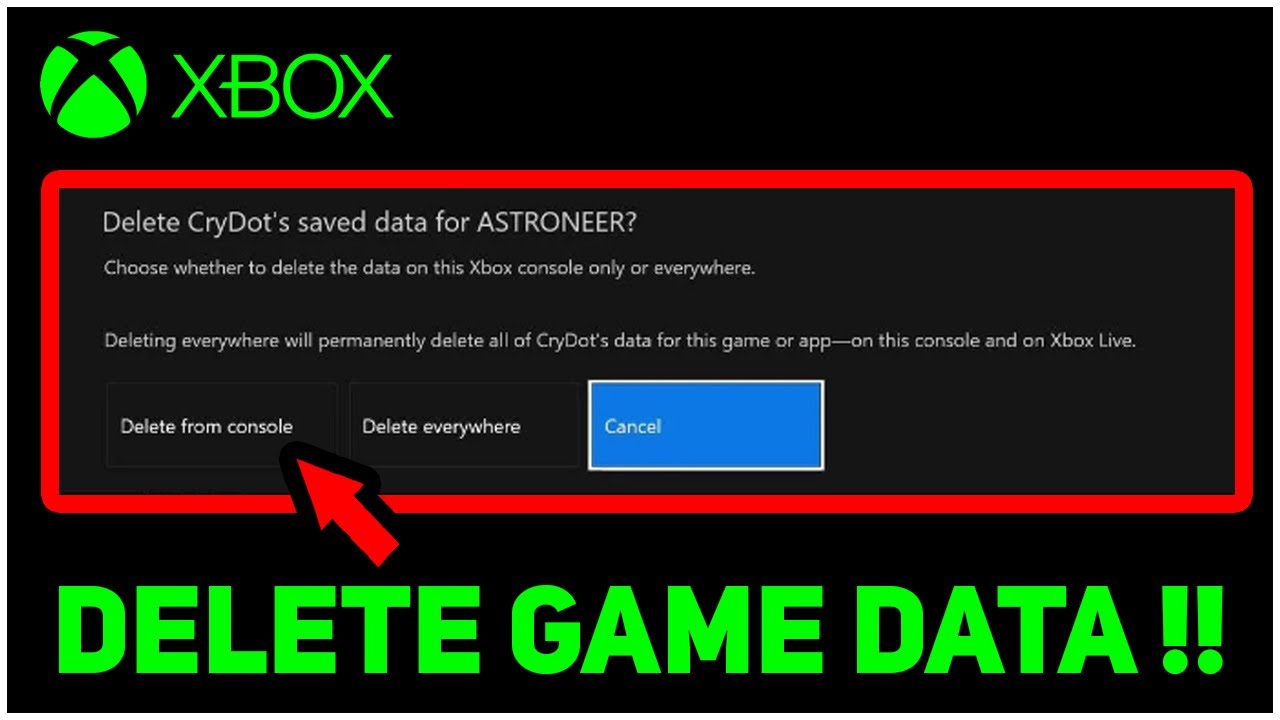
Xbox Series X S One How To Delete Uninstall Games YouTube . How To DELETE GAMES On XBOX ONE Uninstall APPS Easy Method YouTube . Xbox Series X S How To Delete Saved Game Data Cloud Saves Easy . Xbox Series X S How To Delete Uninstall Games . How To Delete Uninstall Games On Xbox Series X S YouTube



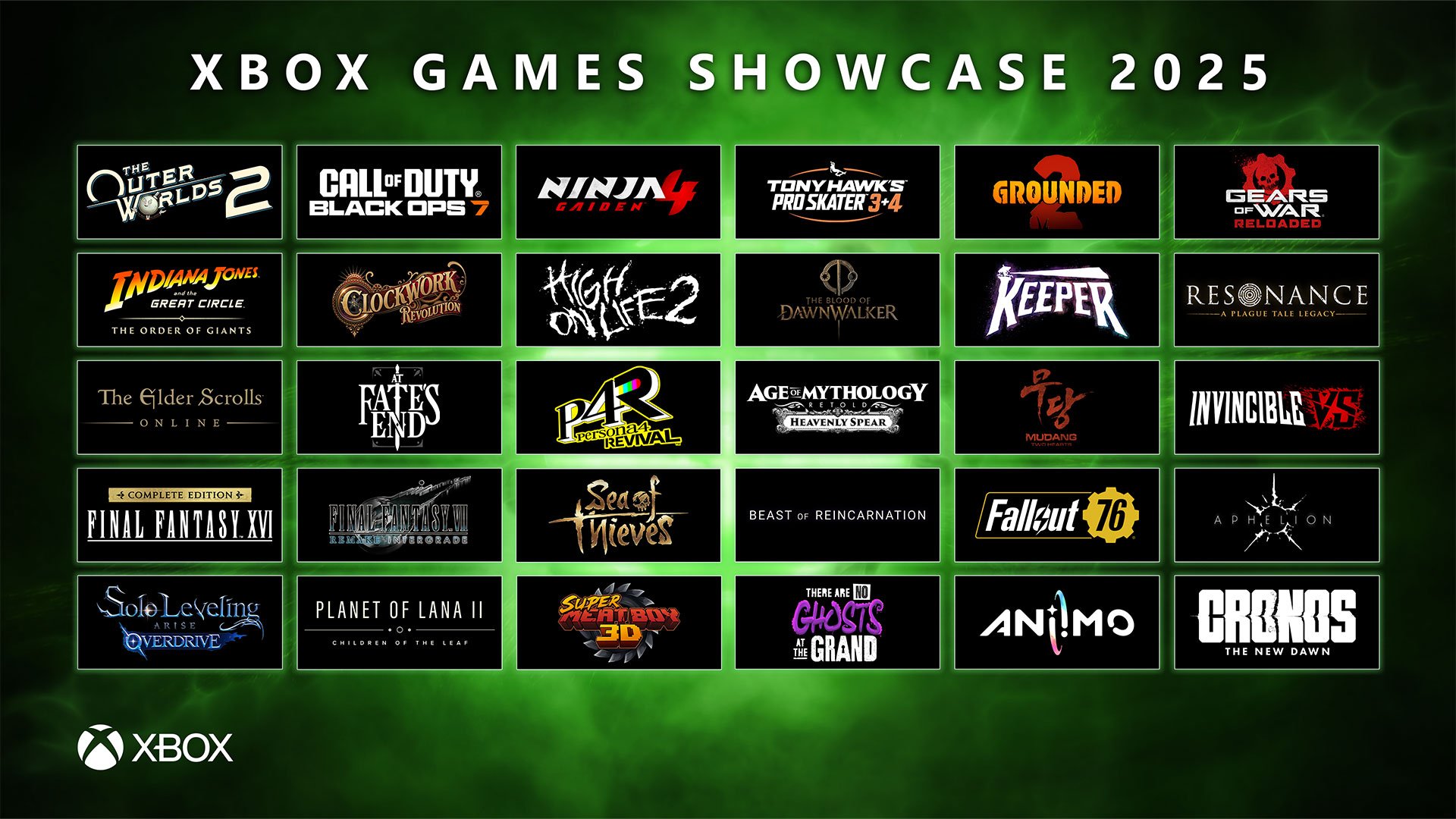
Xbox Series X S How To DELETE Games From Library YouTube . How To Uninstall Games From Xbox One S Delete Games From Internal . Xbox Games Showcase 2025 Every Xbox And PC Game Announced Windows . Bungie Returns With Marathon In 2026 Windows Central . How To Delete And Reinstall Games On Your Xbox One Com Xbox Manage Game 2 720x720

:max_bytes(150000):strip_icc()/vlcsnap-2020-11-01-11h53m17s742-bdf87b3afa294e1d90410cd7c09cd9ae.png)
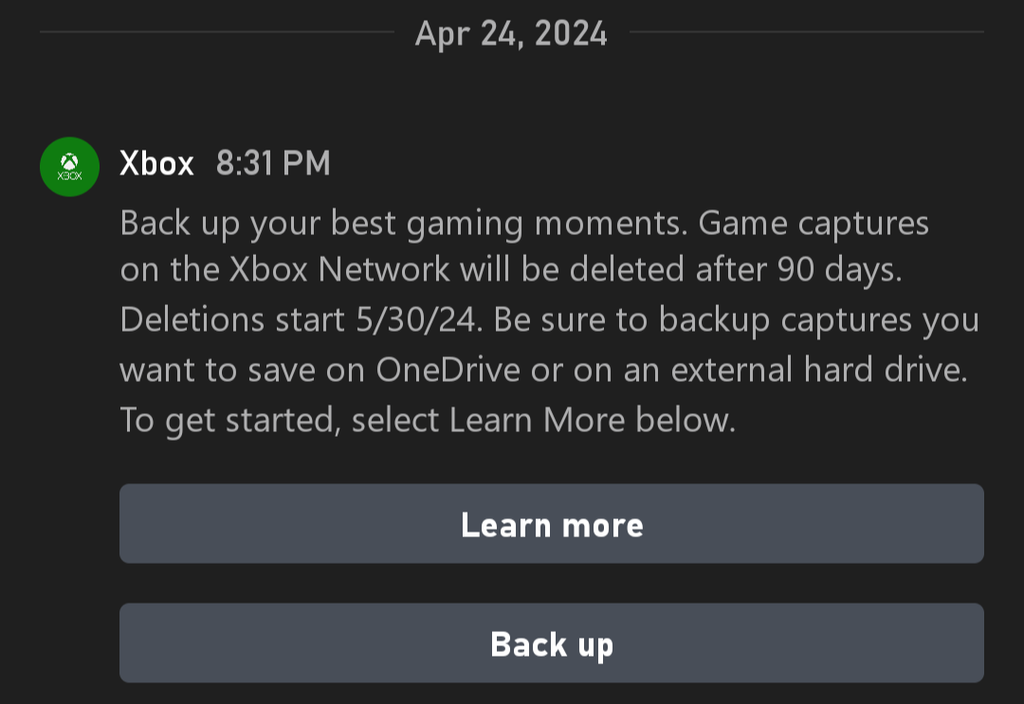
Xbox Games Showcase 2025 Everything Announced Including One Huge Game 1002092 All Games 16x9 HD 1920x1080 . How To Recover Deleted Games On Xbox One At James Jain Blog . How To Delete And Reinstall Games On Your Xbox One Digital Trends Xbox Highlight Game Scaled . Xbox Is Deleting Your Game Screenshots And Clips On May 30 So Here S 1024 80 . How To Uninstall A Game On Xbox Series X Or S Vlcsnap 2020 11 01
:max_bytes(150000):strip_icc()/vlcsnap-2020-11-07-15h57m31s507-19f32e1dfcf64ef8b45d3f719cdeda2c.png)
:max_bytes(150000):strip_icc()/vlcsnap-2020-11-01-11h52m53s996-09eb3b13cb364d4da0b7e564398d2a15.png)

LEAKED Xbox Prime Next Generation Console For 2026 Xbox Developer . How To Uninstall A Game On Xbox Series X Or S Vlcsnap 2020 11 07 . How To Uninstall A Game On Xbox Series X Or S Vlcsnap 2020 11 01 . Xbox Game Pass Will Break Records In 2026 With 75 Day One Launch Games Xbox Game Pass Rompera Records En 2026 Con 75 Juegos De Lanzamiento Dia Uno 1 . Top 10 Most Anticipated Games Of 2026 What To Watch Out For GAMES IN 2026

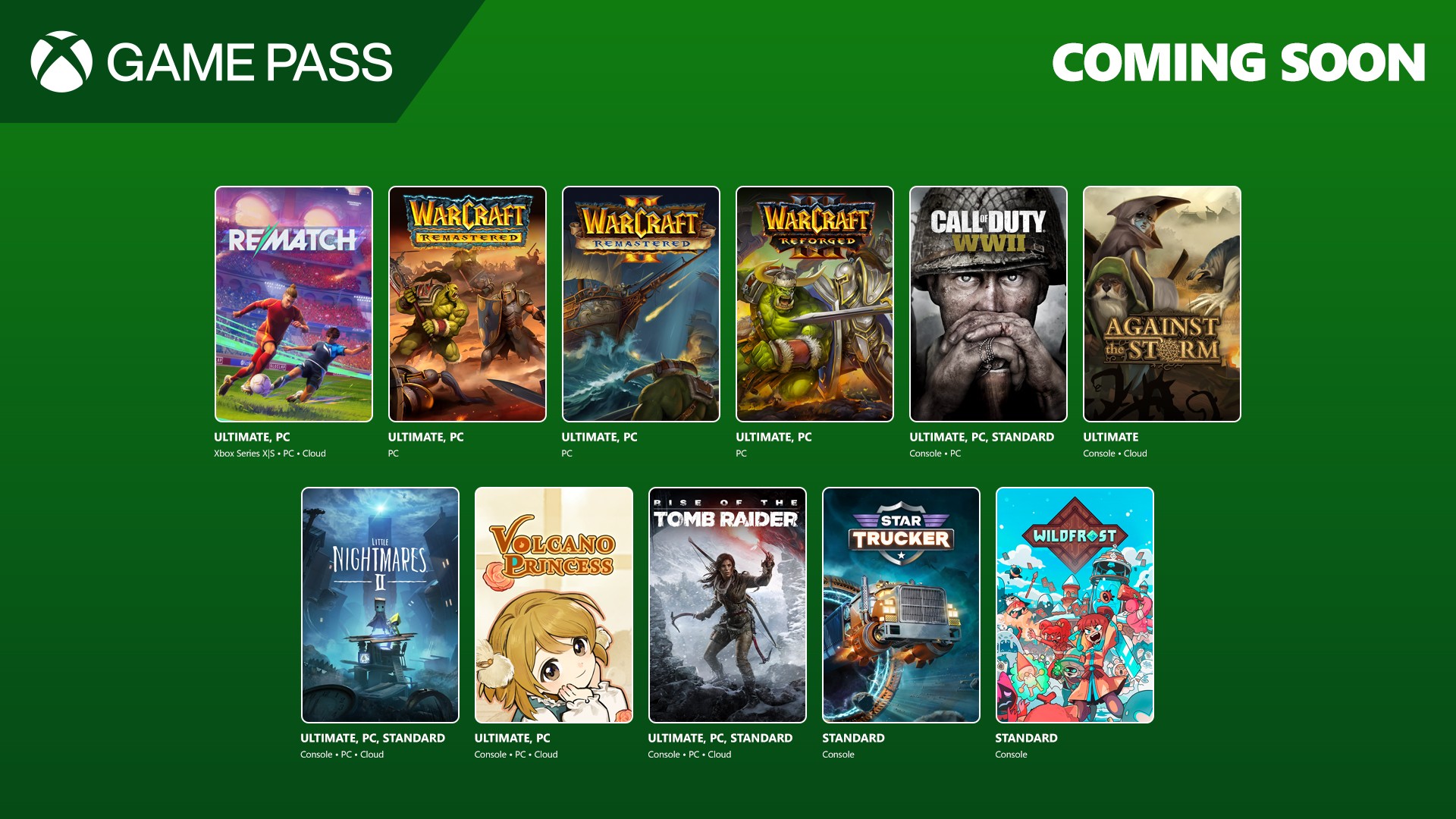

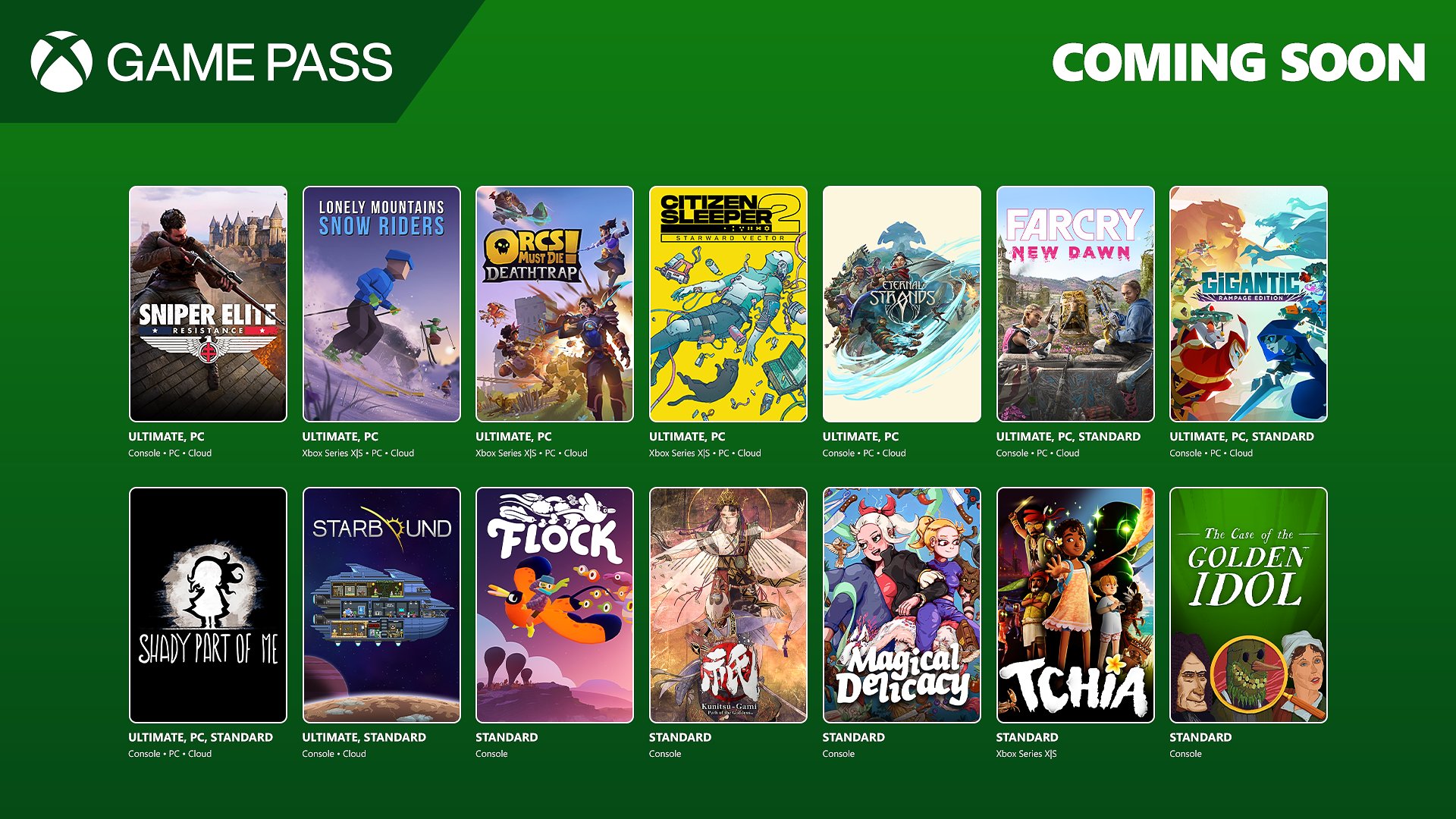
Xbox Unveils A Really Good Batch Of Xbox Game Pass Games For The Rest Xbox Game Pass Games January 2026 2 1920x1079 . ID Xbox Developers Of All Sizes Are Finding More Success With Xbox XBOX GamePass 16x9 6.17.2025 EN US . Xbox Release Dates In 2026 A List Of New Games Coming Out This Year Large . ID Xbox Showcase February 2025 Everything Announced And Revealed XBOX GamePass 16x9 6.1.2025 EN US . How To Add Xbox Game Pass Games To Adrenaline DFLASJ Xbox Game Pass Coming Soon


How To Watch Xbox Developer Direct 2026 Start Date Times Games Being How To Watch Xbox Developer Direct 2026--Start Date Times Games Being Shown Guide Graphic 1536x864 . Generacion Xbox All The Latest Xbox And Windows News At Your Fingertips Next Xbox 2027 1 . Xbox Game Pass In 2026 The Full List Of Everything Announced So Far Xbox Game Pass In 2026 The Full List Of Everything Announced So Far.large . Empowering Creators And Players With Muse A Generative AI Model For 2025 FINAL RGB 16x9 HERO . How To Delete Steam Games Quick Easy Guide V4 460px Delete Steam Games Step 4


How To Delete Xbox One Account Permanently YouTube . How To Delete Games On Mac Free Up Space In 2026 Howto Delete Steam Games . How To Pull Up Xbox Game Bar On Pc At Kenneth Magee Blog . What Generation Is 2026 Called . Xbox Game Pass 2026 Games All Confirmed Titles Xoxe